


Our Current Initiative
Building a Racine where every family can thrive.
For three years, we've listened to Racine families, studied what works, and built practical solutions alongside the people most affected. Now we're ready to act — and we need you.
The Work
Grounded in community. Built for families.
The Safety and Well-Being Collaborative includes a Steering Committee and action teams of more than 35 individuals representing nearly 30 local organizations—parents, neighbors, educators, lifelong residents, and business owners who live and work in greater Racine. More than 200 Racine residents and community experts have informed these solutions, through past Collaborative cohorts, family engagement sessions, and subject matter expertise.
Rooted in insights from Racine Speaks and three years of community engagement, the Collaborative is focused on four areas where families told us they need the most support.
Job & Workplace Supports
Supporting families pursuing good jobs that pay enough to build a stable life.
CHALLENGE
Too many families lack financial stability.
Financial stability is central to family well-being. Yet for many families in Racine, working hard, often at multiple jobs, a paycheck alone isn't enough to achieve stability. Without sufficient wages, predictable schedules, or basic employer-sponsored benefits, families remain one small, financial shock away from falling behind.
The barriers working families face:
Wages that don't keep pace with the real cost of living
Unpredictable scheduling that makes childcare nearly impossible
Jobs without benefits, paid leave, or a path to advancement
Transportation challenges that make getting and keeping work harder.
SOlution
Support families as they build lasting financial stability through career advancement and income growth.
We envision a Racine where families have access to good jobs that provide the wages, stability, and benefits needed to thrive. The Safety and Well-Being Collaborative is working on solutions shaped by the people most affected.
Here's what we're exploring:
Pilot support to prevent small financial shocks from derailing or discouraging career advancement for low-income working parents.
Access To Groceries & Food
Connecting families to healthy, affordable food where they are.
CHALLENGE
Food access is a family issue.
When families are strong, communities thrive. And communities can't be strong when they don't have reliable access to healthy food. For too many households in Racine, particularly those in the city center, nutritious, affordable groceries are simply not within reach. Food insecurity affects children's ability to learn, parents' ability to work, and the health of our whole community. It's one of the most immediate pressures facing families across Racine today.
What gets in the way:
Limited grocery options in lower-income neighborhoods
No car, no bus route, and no easy way to get to a store
Rising food costs outpacing already stretched budgets
Gaps in awareness of or access to food assistance programs
Food and nutritional policy changes at local and federal levels
SOlution
Connect families to healthy, affordable food where they are.
We know food access matters for health and daily well-being, but many in Racine don't have sufficient options. The Collaborative is working to close that gap by expanding what's available, reducing barriers to access, and connecting families with the support they need.
Here's what we're exploring:
Create a comprehensive map of food access sites in Racine to identify nutritional and access gaps.
Launch Community Food Collaborative that connects community partners, raises awareness of food resources, and aligns efforts to better support the community.
Launch a summer food program for families.
Parenting Programs & Supports
Making parenting programs easier to find, access, and use.
CHALLENGE
Parents are doing their best. We should make it easier.
The Safety and Well-Being Collaborative is committed to a future in which Racine's parents and caregivers have access to the resources they need to manage the stresses of parenting. When stress is reduced, relationships between parents, co-parents, and children are strong. But for many families, parenting support remains difficult to find, hard to access, and too often not designed with their realities in mind.
What stands in the way:
Programs that don't reflect the schedules and realities of working families
Family stress when co-parents are in conflict or not aligned on parenting approaches
Transportation, cost, and timing barriers
Cultural and language barriers that make programs feel inaccessible
Stigma around seeking parenting support
SOlution
Connect families to the parenting support they need, when and where they need it.
Families do best when parents are supported. We're focused on making parenting programs easier to access, better aligned with family needs, and coordinated across providers, so that every parent who wants support can find it.
Here's what we're exploring:
Create a Racine Parent Support Network to share data and coordinate services
Support for Individuals Transitioning into Community from Incarceration
Supporting returning community members and the families waiting for them.
CHALLENGE
Coming home should mean a real chance to reconnect.
The Safety and Well-Being Collaborative focuses its work on families, including those in which a loved one has been impacted by the criminal legal system. When someone returns home from incarceration, the entire family is affected. Without meaningful support, the road home can feel impossible. For families already navigating significant stressors, a system-impacted family member can push a family further to the edge.
The barriers are real:
Housing is nearly impossible to secure with a record
Too many employers won't hire those with justice involvement
Gaps in healthcare and mental health services during reentry
Family relationships strained by time and distance
Little coordination between reentry services and family support systems
SOlution
Connect returning community members — and their families — to what they need to thrive.
We believe in second chances and strong families. We're dedicated to making sure those returning home from incarceration have what they need to connect and succeed for themselves and for the families who've been waiting for them.
Here's what we're exploring:
Launch a Reentry Council – bringing together service providers and community partners – to provide coordinated support to individuals after incarceration
A Role for You
If you live, work, learn, or care about Racine — there's a place for you here.
Contact Alexandria Smith, Program Officer to learn more.

Racine Speaks: Real Data. Real People.
Thriving individuals are the foundation of a thriving community. Our current initiative reflects our deep commitment to building a future where everyone feels supported, opportunities are within reach, and well-being is achievable for all.
At The Johnson Foundation at Wingspread, we believe everyone deserves access to opportunities that lead to well-being and economic security. Yet for many, this is not their reality. Our current initiative is focused on changing that.
Grounded in community voice and deep local research, including insights from Racine Speaks, our Strategic Initiative is dedicated to supporting our community in experiencing greater well-being. By working alongside partners, residents, and community leaders, we aim to ensure everyone has the resources and support they need to thrive.
Rooted in Research
Our work is built on a strong foundation of research, data, and community insights. By listening to residents, analyzing local trends, and engaging experts, we ensure that our initiatives address the real challenges and opportunities in Greater Racine.
-
2017
The Johnson Foundation at Wingspread launches Resilient Communities, a Strategic Initiative of the Foundation, with a series of community briefings. These briefings feature experts discussing how to build strong communities and findings from a study that assessed how well-prepared the region is for the future.
-
2020
The Foundation convenes a community advisory panel in response to the finding that there is a lack of understanding about disparities across Greater Racine. The Foundation conducts a series of community conversations with more than 300 community members.
-
2022
Racine Speaks is published with detailed community input on the realities of Education, Economy, Health, and Justice in Racine. The Foundation includes a call to action with several compelling actions that residents can take.
-
2023
The Foundation convenes a set of local leaders and community members to be the Safety & Well-being steering committee, a part of the current Strategic Initiative of the Foundation. This group seeks to explore key themes from Racine Speaks and build community-led solutions that will ensure a strong social and economic future for those who call Racine home.

To better understand the disparities uncovered in our Resilient Communities Roundtable discussions, we engaged grassroots and community leaders and nearly 300 community members to hear their perspectives on how we can build a more equitable and prosperous region for all.
A community advisory panel recommended we focus on four areas: education, economy, health & justice. Read the research to understand the realities faced by residents. The path to a more equitable and prosperous Racine starts with knowledge—dive into the findings today.
Education
In conversations with Racine Unified School District high school students, parents of K-12 students, non-graduates, teachers, principals, and counselors, we heard that people see pronounced racial disparities; participants said there is unequal access to essential resources and want successful programs expanded to all schools.
They seek better anti-racism training for teachers and administrative staff, and greater diversity in staff and curriculum; clear, consistent leadership and communication; and efforts to build community beyond the school, supporting all children.


Economy
In conversations with people who were unemployed, low-wage/underemployed, and working women and mothers, we heard that the minimum wage is too low, especially with rising rents. Participants said opportunity is limited by race, gender and background. They seek more affordable talent development opportunities and childcare, and workplace flexibility that supports employees. In conversation with business owners, we heard that our community lacks a shared vision and shared responsibility. Participants want to see more cross-collaboration across borders and sectors, entrepreneurship support, and qualified job candidates.
Health
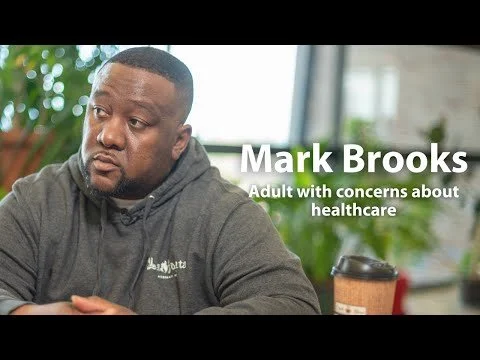
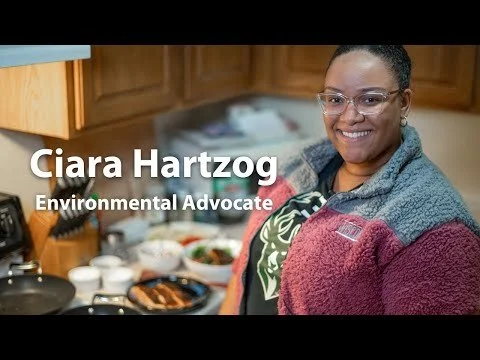
In conversations with parents of young children, adults with limited access to healthcare, healthcare providers, and environmental leaders, we heard that quality healthcare is not seen as a given for people of all races. There is a fear of receiving diagnoses and treatment, exacerbated by barriers such as language, lack of healthcare literacy, and the spread of misinformation. Community safety is also a concern as gun violence affects daily life and stress levels. Additionally, participants want more focus on addressing causes of health issues and prevention, making healthy food available in all neighborhoods, and increasing environmental literacy.
Justice
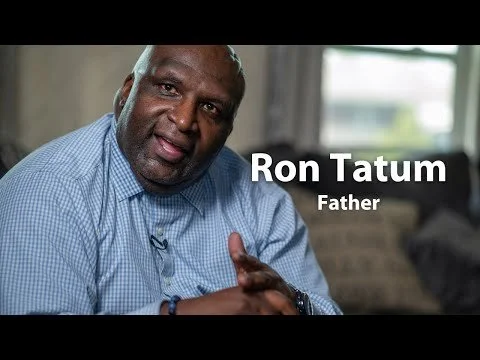
In conversations with adults involved in the justice system, their parents and family members, law enforcement officers, public defenders and attorneys, we heard that there are racial disparities in arrests and sentencing, heightened by a lack of affordable legal representation. Both law enforcement officers and community members said stereotypes and lack of trust pose challenges. Participants want more resources for rehabilitation, system-wide mental health support, decriminalization and better communication between system leaders.

On the Table: Racine
On the Table: Racine was a follow-up to Racine Speaks to encourage healthy dialogue, foster a connected community, and spark collaborative action.
Created by The Chicago Community Trust, On the Table brought people together around a meal and a common purpose.
Small, independently organized gatherings offered people the opportunity to discuss experiences and solutions to topics that matter in their lives and communities.
